
Accident Damaged Vehicle Transport Explained
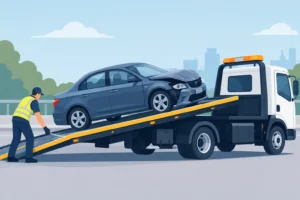
An accident can leave you dealing with more than repairs. If the car will not start, has damaged wheels, leaking fluids or bodywork that makes it unsafe to drive, accident damaged vehicle transport needs to be arranged properly. The priority is getting the vehicle moved without causing further damage, then delivering it to the insurer, repairer, storage site, dealership or home address you have chosen.
A suitable flat-bed recovery lorry, an onboard winch and clear condition reporting make a major difference. This is not a job for towing a badly damaged car with a rope, hoping it will roll, or asking a friend to move it on trade plates. A professional collection protects the vehicle, gives you a record of its condition and takes one urgent problem off your hands.
When an accident-damaged vehicle needs a flat-bed
A car may look driveable after a collision but still be unsafe to move under its own power. Damage to steering, suspension, tyres, lights, brakes, cooling systems or panels can make even a short journey risky. If an airbag has deployed, a wheel is out of line, fluids are leaking or the vehicle has warning lights showing, arrange recovery rather than driving it.
A flat-bed is also the right option for non-runners, cars with a flat battery after an impact, vehicles with missing wheels, rolling shells and cars that have been declared unsuitable for the road. The vehicle is loaded onto the bed and carried clear of the road surface, rather than being towed with damaged components turning underneath it.
The same applies to motorcycles, small vans and classic cars. A classic may have only minor accident damage, but low ground clearance, fragile trim or limited parts availability can make careful transport essential. Tell the transport provider exactly what has happened before collection. Good information means the right lorry, loading equipment and time can be allocated from the outset.
What to tell your recovery provider before collection
The quickest way to get the right quote is to give a clear, honest description of the vehicle and its condition. The registration, collection postcode, delivery postcode and preferred dates are the starting point. It also helps to confirm whether the vehicle starts, steers, brakes and rolls freely.
Be specific about access at both ends. A recovery lorry may need room to position safely, particularly on a narrow residential road, in a car park or at a bodyshop with a busy yard. If the vehicle is underground, behind a height restriction or blocked in, say so when booking. These details are not minor – they can change the loading plan.
Photos are useful where possible. They show whether a bumper is hanging loose, a tyre is flat, a wheel is damaged or a vehicle may need winching. You should also mention any loose parts inside the vehicle, keys held by a garage or police compound, and whether the vehicle has been released for collection.
For an insurance claim, check where your insurer wants the car taken. Some insurers nominate a repair network or assessment centre, while others allow you to select a repairer. Do not assume that a damaged vehicle can be moved from a recovery yard without authority. If there is an outstanding police examination, a finance issue or insurer instruction, get the necessary release confirmed first.
How accident damaged vehicle transport works
Collection should begin with a practical assessment, not guesswork. The driver checks the vehicle’s position, visible damage and whether it can roll. If it is not safe or possible to drive onto the flat-bed, the onboard winch is used to load it in a controlled way.
Winching is particularly valuable when a vehicle has suspension damage, will not start or cannot be driven because of deployed airbags or a damaged front end. It avoids placing unnecessary strain on the engine, gearbox or wheels. In some cases, extra care is needed to prevent contact with low bodywork or damaged undertrays while the vehicle is pulled onto the bed.
Once loaded, the vehicle is secured for transport. The driver should not be rushing to make it fit or relying on damaged parts to hold it in position. Proper restraint and a suitable flat-bed reduce movement during the journey, whether the destination is across Essex or elsewhere in the UK.
At collection, condition should be recorded before the lorry leaves. Time- and date-stamped digital vehicle condition reporting provides a useful record of visible marks, damaged panels and the general state of the vehicle at handover. This is especially helpful when an insurer, repairer, dealer or third party is involved. It creates clarity about what was present before transport and gives everyone a consistent point of reference.
Insurance, paperwork and personal belongings
Ask what insurance cover applies to the carriage of your vehicle and make sure you understand any limits or conditions. Fully insured transport provides reassurance, but it does not replace your own motor insurance or remove the need to keep claim documents in order. If the car is a high-value model, a classic or a newly purchased vehicle, mention this when requesting a quote.
Keep the V5C, insurance correspondence, repair authority and any police reference details available, but do not leave original documents in an unattended damaged vehicle unless specifically required. If you are not meeting the driver yourself, arrange key handover in advance and ensure the collection point knows the vehicle is authorised to leave.
Remove valuables, tools, loose electronics and personal items where it is safe to do so. Recovery transport is about moving the vehicle securely, not carrying belongings that could shift or become difficult to account for. If items must remain inside, tell the driver before loading.
Electric and hybrid vehicles need particular care after an accident. Damage near the battery area, signs of heat, smoke, burning smells or fluid leakage should be reported immediately. Do not attempt to start or charge the vehicle. The recovery provider needs this information before attending so they can assess the safest handling arrangement.
Choosing the right destination
The nearest location is not always the best destination. Taking a car straight to an approved repairer can save a second movement, but only if the repairer is ready to receive it. A dealership may be appropriate for newer vehicles, specialist models or warranty-related work. For a non-fault claim, your insurer may have a preferred route.
Storage can be the sensible short-term answer when a repair decision has not been made, access to the repairer is delayed or the car needs an inspection first. It depends on the condition of the vehicle, the urgency of the claim and daily storage charges. Ask about these costs early rather than letting a vehicle sit somewhere by default.
Private owners also use accident damaged vehicle transport to bring a vehicle home after a low-speed collision, to move a project car to a specialist, or to deliver a written-off vehicle to a salvage buyer. Commercial customers may need fast collection from a customer site, a dealership forecourt or a fleet depot to keep operations moving.
Why speed matters, but care matters more
After an accident, it is understandable to want the car gone quickly. A prompt response is valuable when a vehicle is blocking access, sitting at a garage or awaiting repair. However, the cheapest or fastest-sounding option is not always the right one if the operator has not asked whether the vehicle rolls, has keys or needs winching.
A proper quote should reflect the collection and delivery locations, vehicle type, damage, access, timing and equipment required. Be wary of vague promises that ignore the difficult parts of the job. A car with a bent wheel on a clear driveway is very different from a non-running van in a tight compound.
Car Delivery Essex uses flat-bed recovery lorries with onboard winches to collect damaged and non-running vehicles, with insured carriage and digital condition checks for added reassurance. Whether the vehicle is heading to a repairer, insurer, storage location or home, a direct phone call with accurate details is the fastest way to arrange the right recovery.
If your vehicle has been damaged, take a breath, make sure everyone is safe and gather the key details before booking. The right transport plan will protect the vehicle from further harm and get it where it needs to be without adding another problem to an already difficult day.

