
Best Ways to Move Cars Safely Across the UK
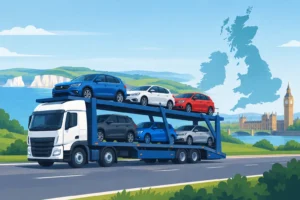
A car does not need to be broken down to create a transport problem. You may have bought one online, sold it to a buyer hundreds of miles away, need a classic moved without adding mileage, or have a lease vehicle due back on a fixed date. The best ways to move cars depend on the vehicle’s condition, the distance involved, your insurance position and how much risk you are prepared to take.
For a short, local move, driving the vehicle yourself may be perfectly sensible. For a non-runner, accident-damaged car or valuable classic, it usually is not. Choosing the right method at the start can prevent missed collection slots, unnecessary wear, roadside problems and arguments over damage later on.
Best ways to move cars: choose the method to suit the vehicle
There is no single answer for every vehicle movement. A roadworthy hatchback travelling 20 miles is very different from a rolling shell being collected from a workshop, or a newly purchased prestige car travelling from Essex to Scotland. Start with the condition of the vehicle, then consider the journey and collection points.
Drive it yourself
Driving is often the lowest-cost option when the car is taxed, insured, MOT’d where required and genuinely reliable. It gives you control over the journey and can be convenient for a local transfer between home, a garage, dealership or storage site.
The drawback is that the mileage, fuel use and wear all go on the vehicle. You also take on the risk of a breakdown, tyre issue or accident en route. If you are collecting a car you have not yet seen in person, relying on it to complete a long journey home can be a gamble. Check insurance cover carefully too, particularly when collecting a newly bought vehicle.
Ask a friend or use a two-driver collection
For a short distance, some owners arrange for a friend to give them a lift or send two drivers so one can bring the car back. This can work if the vehicle is known to be dependable and both drivers are properly insured.
It becomes less practical over long distances. There are fuel costs for two vehicles, time to arrange, potential overnight stays and the possibility that the purchased car is not fit for the road after all. It is rarely the best choice for an untaxed vehicle, an untested eBay purchase or a vehicle with a fault.
Use a trailer or vehicle transporter
A trailer can be a useful option for owners who have the right towing vehicle, licence entitlement, experience and equipment. It keeps the transported car off the road and is suitable for many roadworthy and non-running vehicles.
However, towing is not simply a matter of hiring a trailer and setting off. The combined weight must be legal, the car must be loaded and secured correctly, and the towing vehicle must be capable of handling the load. Long distances, narrow collection points and busy motorways can make a self-tow stressful. Loading can also be difficult where a vehicle has seized brakes, damaged wheels, low ground clearance or cannot roll freely.
Before choosing this route, check the vehicle weight, trailer capacity, towing limits, insurance and whether you have safe access at both ends. A cheap trailer hire can become expensive quickly if the job cannot be completed as planned.
Arrange professional flat-bed transport
For most long-distance, high-value or difficult vehicle movements, professional flat-bed transport is the most reliable option. The car is collected from the agreed address, winched or driven onto the lorry where appropriate, secured for transit and delivered directly to its destination.
This approach is especially useful for non-runners, accident-damaged cars, classics, motorcycles, small vans and vehicles without valid road tax or MOT. It also removes the need for you to take time off work, travel across the country or place extra mileage on the vehicle.
A properly equipped operator should be able to deal with more than a straightforward driveway collection. Flat-bed recovery lorries with onboard winches can recover a car that will not start, move a rolling shell, or load a vehicle with mechanical issues, subject to safe access and the condition of its wheels and steering.
When professional transport is worth the cost
The cheapest quote is not always the lowest overall cost. A long self-drive might involve fuel, rail fares, insurance changes, food, accommodation, lost working time and a real chance of a breakdown. The same applies to towing a vehicle when you are not experienced or do not already own suitable equipment.
Professional collection makes particular sense when timing matters. Dealership stock transfers, customer handovers, end-of-lease collections and auction purchases often have fixed windows. A missed slot can mean storage charges, delays or an unhappy buyer. Door-to-door transport gives one party clear responsibility for the movement rather than leaving several people to coordinate lifts, keys and collection times.
It is also the sensible choice where condition matters. Classic and cherished vehicles may need moving without exposure to road debris, poor weather or unnecessary mileage. A vehicle that has been in an accident may not be safe to tow conventionally. If there is any doubt about whether it will complete the journey under its own power, arrange recovery transport instead.
What to check before booking car transport
A straightforward quote depends on accurate information. Be clear about the collection and delivery postcodes, preferred dates, vehicle make and model, and whether it starts, steers, rolls and brakes. Mention lowered suspension, flat tyres, missing wheels, body damage, lock issues or tight access before the collection is booked.
You should also ask what insurance cover applies during carriage and how vehicle condition is recorded. Photos taken before collection are useful, but a time- and date-stamped digital condition report gives both parties a clearer record. This is particularly valuable for dealership vehicles, online sales, lease returns and cars with existing damage.
Keys, paperwork and personal belongings need attention as well. Confirm who will hand over the keys and whether anyone will be present at delivery. Remove valuables and avoid leaving loose items inside the vehicle. If the car contains documents, service history or a spare key, tell the transporter so they can be handled carefully.
Access is another common issue. A large recovery lorry needs room to approach, load and turn safely. If your street is narrow, has low branches, parking restrictions or a difficult entrance, say so when requesting a quote. A nearby safe meeting point may be the better solution.
How to prepare a car for collection
Preparation does not need to be complicated, but it does make collection quicker and safer. Make sure the transporter has a working contact number for both ends of the journey. Put the vehicle in neutral if possible, release the handbrake only when instructed, and ensure the wheels can turn if it is being winched onto a flat bed.
For a non-runner, do not worry if you cannot start it. Just describe the issue honestly. A car with a flat battery is different from one with locked wheels or no steering, and that information affects the equipment and time needed.
Take clear photographs of all sides of the vehicle before handover. Note existing scratches, dents, warning lights and interior damage. A reputable operator will carry out their own condition check, but your own record adds reassurance. If the vehicle is being collected from a repairer, auction site or dealership, confirm their opening hours and any release reference they require.
Local collection or nationwide delivery?
Local recovery is often needed urgently, such as after a breakdown, failed repair or accident. In these cases, the priority is safe loading and getting the vehicle to a home address, garage, bodyshop or storage location without causing further damage.
Nationwide transport requires more planning, but the principle is the same: clear collection details, realistic timings, insured carriage and confirmation of condition. Car Delivery Essex moves vehicles door to door across Essex, neighbouring areas and the wider UK, using flat-bed recovery lorries equipped to handle both running vehicles and more difficult collections.
If you are comparing transport options, give each provider the same full description of the job. That is the best way to receive a meaningful quote and avoid a surprise on collection day. A quick phone call with the vehicle details, locations and condition can often establish the safest and most cost-effective route without any unnecessary complication.

