
Vehicle Delivery That Protects Your Vehicle
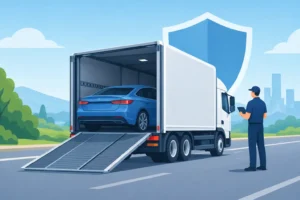
A vehicle bought online, a lease car due back, a non-runner outside your home or dealership stock needed at another site all create the same problem: how do you move it without adding risk, mileage or delay? Professional vehicle delivery gives you a practical answer. Your vehicle is collected, secured on a suitable lorry and delivered to the agreed address, with its condition recorded before it moves.
For many owners, driving the vehicle themselves is not the best option. It may be uninsured, untaxed, not roadworthy, recently damaged or simply too valuable to put through an unnecessary long journey. For businesses, sending staff on a one-way trip to move stock can be expensive and disruptive. A properly planned collection saves time and keeps responsibility clear from collection to handover.
When vehicle delivery is the sensible choice
Vehicle transport is not only for prestige cars or long-distance moves. It is often the straightforward option when a vehicle cannot, or should not, be driven. This includes cars purchased through eBay or another online marketplace, new-car handovers, end-of-lease returns, auction purchases, fleet transfers and private sales.
It is also the right approach when there is a mechanical issue. A flat battery, clutch fault or warning light can make a journey uncertain. A vehicle with accident damage, a failed MOT or no current road tax should not be driven to its destination simply because it still starts. Collection on a flat-bed recovery lorry avoids the risk of a roadside breakdown, further damage or a difficult insurance question later.
Classic and cherished vehicles need a different kind of care. Even a fully roadworthy classic can be vulnerable to bad weather, motorway debris and unnecessary wear. Transporting it rather than driving it may be the better choice before a restoration, sale, show or relocation. The same applies to motorcycles, small vans and rolling shells, where the loading method matters as much as the route.
The equipment matters as much as the journey
Not every transport job can be dealt with using a driven delivery service. A vehicle that will not start, will not select a gear or has front-end damage needs recovery capability at collection. Flat-bed lorries with onboard winches allow difficult vehicles to be loaded safely and securely, rather than relying on the car to move under its own power.
This is particularly useful for non-runners, accident-damaged cars and vehicles parked in awkward locations. Before booking, explain exactly what is wrong with the vehicle, whether the wheels turn and steer, and whether it is accessible. Clear information helps the transport provider send the right equipment and prevents surprises on collection day.
Ground clearance is another detail worth raising. Lowered cars, sports cars and vehicles with damaged bumpers may need extra care during loading. Likewise, a motorcycle needs correct restraint points, and a classic car should not be treated like a routine commuter vehicle. The lowest quote is not always the best value if it does not account for how the vehicle will actually be handled.
What insured vehicle delivery should include
Price matters, but the safest decision is based on what is included. Ask whether the vehicle is carried under appropriate insurance while in transit, what information is needed before collection and how its condition will be documented. These are not unnecessary extras. They protect both the owner and the transporter if a question is raised about existing damage.
A professional condition report records the vehicle at the point of collection, including visible marks, damage and overall condition. Time- and date-stamped digital reporting provides a clear record before the lorry leaves. It is especially valuable for dealership stock, lease returns, online purchases and valuable private vehicles, where assumptions can quickly become disputes.
At Car Delivery Essex, condition checks can be completed through the moDel app, creating a practical digital record for the job. That evidence is useful whether the vehicle is travelling locally across Essex or on a nationwide delivery. It gives owners and commercial customers a clearer handover process than a verbal description or a few unlabelled photographs.
Insurance and reporting do not remove the need for care, but they show that the service is set up to manage responsibility properly. If a provider is vague about carriage insurance, loading arrangements or vehicle checks, it is sensible to ask more questions before handing over the keys.
Preparing a vehicle for collection
A little preparation can make collection quicker and reduce avoidable delays. Ensure the collection address is correct, provide a working contact number and tell the driver about restricted access, gated sites, low branches, narrow roads or controlled parking areas. A large recovery lorry needs room to approach, load and leave safely.
Remove personal belongings where possible. Vehicle transport is about moving the vehicle, not carrying household items, tools or loose valuables. Keep the keys, locking wheel nut, alarm fob and any relevant paperwork ready for handover. If the vehicle has an immobiliser, unusual starting procedure or known fault, explain it before collection rather than after the driver arrives.
For a non-runner, confirm whether it rolls freely and whether the steering is unlocked. If the tyres are flat, a wheel is missing or the brakes are binding, say so when requesting a quote. These details do not necessarily stop the job, but they can affect the loading plan, time required and price.
Photographing the vehicle yourself is also sensible, particularly for a private sale or a classic car. A professional report should provide formal evidence, but your own dated photographs give you an additional record and help ensure everyone has the same understanding of its condition.
Getting an accurate vehicle delivery quote
A quick quote is useful only if it is based on the right information. The collection postcode, delivery postcode, vehicle type and whether it is roadworthy are the starting point. Add the make and model, any faults or damage, preferred collection date and any access concerns.
Timing can affect availability and cost. A flexible collection window may allow for a more competitive price, while same-day or urgent recovery normally requires dedicated planning. Distance matters, but it is not the only factor. A straightforward running hatchback collected from an open driveway is very different from a locked, damaged vehicle in a city centre car park.
Commercial customers should also set out whether the job involves a customer handover, a return to base, a dealership transfer or a batch of vehicles. Regular movements can often be organised around operating hours, site contacts and reporting requirements. That reduces missed collections and gives fleet managers a clearer picture of where each asset is.
Phone-based booking is often the quickest route when the vehicle has a fault, has been involved in an accident or needs moving at short notice. It allows the right questions to be asked immediately, rather than relying on a form that may not capture the condition of the vehicle or the access at either end.
Delivery day: what good communication looks like
Reliable vehicle delivery depends on communication before, during and after the move. You should know who is collecting the vehicle, where it is going and how handover will be arranged. If there is a change to access, availability or vehicle condition, tell the transport provider as soon as possible.
For private customers, this is reassuring when a newly purchased car is being collected from a seller many miles away. For dealerships and fleet operators, it prevents stock sitting in the wrong place or a driver arriving when no authorised person is available. The best transport jobs are rarely complicated, but they are planned properly.
On delivery, check the vehicle against the condition report before accepting it where practical. If it is a non-runner, do not expect a road test at the kerbside. Instead, check that it has arrived as described, the keys and agreed items have been handed over, and any visible condition points are clear.
A reliable transport service should leave you with less to organise, not more. Whether you need a car moved from Essex to another part of the UK, a motorcycle collected from an online seller or a damaged van recovered after a breakdown, give a full description from the start. The right lorry, proper insurance and a clear condition record turn a stressful move into a controlled one.

