
Vehicle Recovery What to Expect When You Call
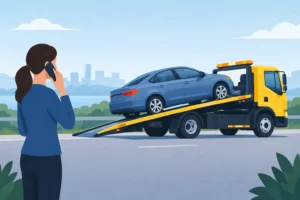
A vehicle that will not start on the drive is one problem. A car stranded after an accident, a non-runner bought online, or a classic vehicle that cannot be driven home is another. In each case, professional vehicle recovery gets the vehicle moved safely without adding unnecessary mileage, risk or stress.
The right recovery service is not simply about turning up with a lorry. It is about sending suitable equipment, understanding the vehicle’s condition, protecting it during loading and transport, and getting it to the correct destination when promised. Whether the job is local in Essex or a planned collection across the UK, those details matter.
When Vehicle Recovery Is the Right Option
Recovery is often associated with a roadside breakdown, but it covers far more than an emergency call-out. A flat-bed recovery lorry can collect vehicles that are roadworthy, partially mobile or completely unable to move under their own power.
This makes it a practical choice after a collision, mechanical failure, MOT failure or flat battery issue where driving the vehicle is not sensible. It is also useful when a vehicle has been sitting unused, has no tax or insurance for road use, or has been purchased at auction or through eBay and needs collecting from a seller.
For private owners, recovery can remove the worry of driving an unfamiliar used car a long distance straight after purchase. For dealerships, fleet operators and leasing companies, it provides a controlled way to move stock, collect end-of-lease vehicles and return assets to base. The job may be urgent, but it still needs to be handled properly.
Vehicles That Can Be Collected
A capable operator should establish what needs moving before giving a final quote. Cars, small vans, motorcycles and classic vehicles all require secure loading, but their access, dimensions and condition can be very different.
Non-runners, accident-damaged cars, rolling shells and vehicles with steering or wheel damage may need winch loading rather than being driven onto the bed. A vehicle with very low ground clearance, a seized wheel or missing keys can also require extra planning. Giving clear information at the start helps ensure the right recovery lorry and loading method arrive.
It is worth mentioning if the vehicle is in a tight residential road, underground car park, compound, garage or rural location. Access restrictions do not always prevent recovery, but they can affect the equipment, timing and price needed for a safe job.
What Happens During a Vehicle Recovery Booking
The quickest route to a workable recovery is a direct conversation. Be ready to provide the collection postcode, delivery postcode, vehicle registration, make and model, and an honest description of its condition. If you know whether it starts, rolls, steers and brakes, say so. If you do not know, that is fine too – explain what the seller, garage or breakdown technician has told you.
The recovery provider can then assess the journey, access requirements and likely loading approach. A straightforward roadworthy car collection will usually be simpler than a collision-damaged non-runner, but both can be transported safely with the correct flat-bed lorry and onboard winch.
Before collection, confirm who will release the vehicle and whether keys, paperwork or any wheel-locking nut are available. If another person is meeting the driver, make sure they know the agreed time window and have the relevant contact details. Small checks like these avoid delays at the roadside, dealership or private address.
At collection, the driver should inspect the vehicle’s visible condition before loading. This protects everyone. Existing scratches, dents, wheel damage and other noticeable marks can be recorded, along with time- and date-stamped photographs. Car Delivery Essex uses digital condition reporting through the moDel app, giving customers documented evidence of the vehicle’s condition at handover.
The vehicle is then loaded onto the flat bed, secured for transport and delivered to the agreed location. For a non-runner, winch loading avoids the need to force it into motion. For a working vehicle, transport still avoids exposure to motorway mileage, poor weather and the possibility of a mechanical issue developing on the journey.
Why Flat-Bed Recovery Is Often the Safer Choice
Not every recovery method suits every vehicle. Towing can be appropriate in limited situations, but it places wheels on the road and can create complications for damaged, unroadworthy or valuable vehicles. A flat-bed lorry carries the entire vehicle off the road, which is generally the more controlled option for longer distances and difficult collections.
This is particularly relevant for accident damage. Even if a car appears driveable after a collision, damaged steering, suspension, tyres, lights or bodywork can make further road use unsafe. Loading it onto a flat bed reduces the chance of worsening the damage or creating another roadside problem.
Classic cars also benefit from careful vehicle transport. Their low mileage, older mechanical components, irreplaceable trim or sentimental value can make a long drive the wrong choice. The same applies to newly purchased cars that have not yet been fully checked by a trusted garage.
There is a trade-off. Specialist recovery with a suitable lorry may cost more than asking a friend to tow a vehicle or attempting to drive it home. However, the lower-risk option can be better value when set against potential repair bills, recovery delays, insurance concerns and the inconvenience of being stranded again.
Insurance and Condition Checks Are Not Extras
When someone else is moving your vehicle, insurance should be a clear part of the service rather than an assumption. Ask whether the vehicle is covered while in transit and whether the operator has the appropriate cover for carriage and recovery work.
A written or digital condition report is just as useful. It creates a record of the vehicle at collection and delivery, helping to avoid disagreements about pre-existing damage. This is especially valuable for dealer transfers, leased vehicles, auction purchases, classics and cars sold between private parties where the buyer and seller may never meet.
Photographs do not replace good handling, of course. The vehicle must still be loaded correctly, secured properly and transported by an experienced operator. But documented checks provide reassurance when the vehicle is valuable, newly bought or business-critical.
Preparing Your Vehicle for Collection
You do not need to make a non-runner perfect before it can be recovered, but a little preparation makes collection easier. Remove loose belongings where possible, keep the keys ready, and tell the driver about alarms, immobilisers, locking wheel nuts or any fault that affects steering, braking or rolling.
If the vehicle is at a garage, auction site or dealership, check its opening hours and collection procedures. Some sites require a release reference, proof of purchase or advance notice before a vehicle can leave. If it is on private property, make sure there is enough room for the recovery lorry to position safely.
For a vehicle involved in an accident, do not attempt to move damaged parts or force wheels to turn just to make loading easier. Explain the situation clearly and let the recovery operator plan the safest method. Honest information before dispatch is far more useful than a surprise on arrival.
Choosing a Recovery Company Without Guesswork
Price matters, particularly when the recovery is unexpected, but the cheapest quote is not automatically the best option. Compare what is included: the collection and delivery locations, vehicle type, vehicle condition, insurance, loading equipment, expected timing and condition reporting.
A clear quote should reflect the actual job. If a vehicle cannot roll, is blocked in, has no keys or needs to travel a long distance, those factors may change the cost. A good operator will explain this plainly rather than giving a vague price that rises once the lorry is already on site.
Responsiveness matters too. When a vehicle is blocking a driveway, sitting at a garage or waiting to be released by a seller, you need practical answers. Ask when collection can take place, how the driver will contact you, and what proof of delivery or condition record you will receive.
If your car, van, motorcycle or classic vehicle needs moving, have the registration, locations and condition details ready before you call. That one preparation step helps arrange a safer, more accurate vehicle recovery and gets the vehicle where it needs to be with less delay.

