
Vehicle Shipping Checklist Before Collection
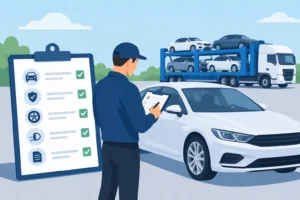
A collection slot is booked, the buyer is waiting or the vehicle needs to reach a garage without delay. That is when a proper vehicle shipping checklist earns its keep. A few straightforward checks before the lorry arrives can prevent failed collections, disputes over condition and unnecessary delays on the day.
Whether you are moving a family car, eBay purchase, classic vehicle, motorcycle, small van or accident-damaged non-runner, the aim is the same: give the transport team clear information and leave the vehicle safe to load. Flat-bed transport with an onboard winch can handle vehicles that cannot be driven, but access, keys and accurate details still matter.
Vehicle Shipping Checklist: Give Accurate Vehicle Details
Start with the facts your transport provider needs to plan the job properly. Confirm the registration number, make, model, collection and delivery postcodes, plus the preferred dates and times. Include a working contact number for both ends of the journey, especially if a dealership, storage site, repairer or family member is releasing the vehicle.
Be clear about the vehicle’s condition. Can it start, steer, brake and roll freely? Does it have a flat tyre, damaged wheel, seized brakes, missing keys or accident damage? Is it lowered, particularly wide, very low to the ground or fitted with a body kit? These details are not a reason to refuse the job. They tell the driver whether a winch, skates, extra care or a different loading approach is required.
Also mention any modifications and the fuel type. Electric and hybrid vehicles need particular care if they have suffered collision damage or have warning messages on the dashboard. A classic car may have limited ground clearance, delicate trim or a non-standard starting process. Honest information before collection means the correct equipment and time can be allowed for.
Prepare the Vehicle for Loading
Remove loose items from the cabin, boot and load area before transport. Mobile phone holders, toll tags, sunglasses, paperwork, tools and personal possessions can shift during loading or be overlooked after delivery. If an item must stay in the vehicle, tell the carrier in advance and keep it secured.
Leave enough fuel for short manoeuvres, but do not fill the tank unnecessarily. A quarter tank is normally more than enough for a roadworthy vehicle. Less fuel reduces weight and avoids carrying more combustible liquid than needed. For an electric vehicle, enough charge to move it on and off the flat-bed is usually sensible, unless it is non-running or unsafe to operate.
Check the battery if the vehicle has been standing. A flat battery does not always stop collection because a winch-equipped recovery lorry can load a non-runner, but it should be declared beforehand. If the vehicle starts, make sure it can be put into neutral and that any electronic parking brake can be released. Leave the wheel-locking nut key where it can be found if wheel access may be needed.
For motorcycles, ensure the steering is unlocked and provide every key needed for the ignition, fuel cap or alarm. Do not rely on a steering lock alone as a transport restraint. The motorcycle should be secured professionally to the flat-bed using suitable straps and contact points.
Record the Condition Before Collection
Condition reporting protects everyone. Before handover, take clear, time-stamped photographs of all four corners, each side, the roof where practical, wheels, windscreen and interior. Photograph existing scratches, dents, cracked lights, missing trim and warning lights. A quick walk-round video can also be useful for high-value, classic or recently purchased vehicles.
Do not rush this stage because the vehicle is being collected from home or someone you know. A documented record removes uncertainty if a mark is noticed later. It is particularly useful for dealership stock transfers, end-of-lease collections, corporate handovers and eBay sales where the seller and buyer may never meet.
A professional carrier should complete its own collection report and record the vehicle condition at both collection and delivery. Car Delivery Essex uses digital, time- and date-stamped condition reporting through the moDel app, providing a clear record of what was collected and what arrived. Read the report before confirming the handover, and raise any concerns while the driver is present.
Make Collection and Delivery Access Clear
A full-size flat-bed recovery lorry needs more room than a car. Tell the transport company about narrow lanes, low bridges, tight estates, low branches, security gates, height barriers, difficult driveways or restricted parking. If the vehicle is in an underground car park or behind another non-running vehicle, say so at the quotation stage.
Sometimes the safest answer is to agree a nearby meeting point with enough space for loading. This is common around busy Essex roads, London-adjacent streets and town-centre locations. It is not a compromise on service. It can be the quickest way to avoid blocking traffic, damaging a vehicle on a tight entrance or missing a booked collection window.
Arrange access in advance. Tell the person releasing the vehicle when the driver is expected, ensure gates are unlocked and confirm any site rules. Dealerships and compounds may need the registration number, driver details or a collection reference before allowing entry. At delivery, make sure somebody can accept the vehicle or that a secure, pre-agreed drop-off plan is in place.
Keys, Documents and Handover Instructions
Provide all available keys, including spare keys, locking wheel nut keys and alarm fobs. Put them in a clearly labelled envelope if another person is handing over the vehicle. If the car has an unusual immobiliser, keyless-start procedure or aftermarket alarm, write down the instructions rather than assuming the driver will know them.
Most vehicle moves do not require the V5C log book to travel with the vehicle. In fact, many owners prefer to keep it secure and send it separately where required. The same applies to sensitive finance paperwork, service books and personal documents. What is needed depends on the job, so confirm the handover requirements with the buyer, seller, dealership or leasing company beforehand.
If you are collecting a vehicle bought online, check that the seller has supplied the correct keys, current location and a realistic condition description. A vehicle advertised as running but unable to move may still be collected, provided the carrier has been told. The issue is not the fault itself. The issue is arriving with the wrong information and insufficient time to load safely.
Check Insurance and Transport Arrangements
Ask what insurance cover applies while the vehicle is in transit and what the booking includes. Do not assume ordinary road insurance covers collection on a recovery lorry, or that every carrier offers the same level of protection. You should know who is responsible for the vehicle from handover to delivery and how any issue would be reported.
Confirm the quote covers the actual job: vehicle type, condition, locations, access requirements and any waiting time or additional handling. The cheapest price can become poor value if it is based on a roadworthy hatchback but the collection turns out to be a locked, damaged SUV on a narrow street. A clear quote based on full details is usually the more dependable option.
For urgent recovery, accident damage or a non-runner, choose a provider with practical recovery capability rather than a service that only moves driveable vehicles. A flat-bed lorry and onboard winch give the driver options when a vehicle cannot be started or safely driven up ramps.
On the Day of Transport
Keep your mobile phone switched on around the agreed collection time. Have the keys ready, remove personal belongings and make sure the vehicle is accessible. Complete the condition check with the driver, confirm the destination and state any delivery instructions that have changed since booking.
At delivery, inspect the vehicle before signing it off where possible. Compare it with the collection report, check that keys and agreed items have arrived, then raise any question immediately. This is not about expecting problems. It is simply good handover practice for a valuable asset.
A well-prepared vehicle gives the driver the best chance of collecting it safely, loading it efficiently and delivering it exactly as expected. If anything about the job is unusual, say it early. A direct conversation and a clear quote will always beat a surprise at the kerbside.

