
How to Buy a Car Remotely Without Costly Surprises

A car advertised 200 miles away can look ideal until it arrives with warning lights, tyre damage or paperwork that does not match the listing. Knowing how to buy car remotely means replacing a quick look around the forecourt with proper checks, clear evidence and a delivery plan that protects the vehicle from collection to handover.
Remote buying is now normal for used cars, classics, vans and online auction purchases. It can save a long journey and give you far more choice, but it also puts more responsibility on the buyer. Do not rely on a handful of flattering photographs or a seller saying that the car drives perfectly. Ask the right questions, verify the facts and arrange transport that leaves a record of the vehicle’s condition.
How to buy car remotely without taking blind risks
Start by deciding what you will and will not accept before you call a seller. Set your budget to include the purchase price, insurance, vehicle transport, any immediate servicing and a sensible repair allowance. A cheap car at the other end of the country is not a bargain if it needs tyres, brakes and a cambelt as soon as it arrives.
Read the advert closely, then compare it against the registration number and vehicle identification number (VIN). Check the MOT history for repeated advisories, mileage patterns and failures. A single advisory is not necessarily a problem, especially on an older vehicle. Repeated warnings for corrosion, tyres, suspension or brakes deserve a direct question.
Ask the seller to confirm the mileage, number of keys, service history, MOT expiry date, known faults and whether there is outstanding finance. Request a photograph of the V5C log book, but do not treat that alone as proof that the seller owns the vehicle. The registered keeper is not always the legal owner. A proper vehicle history check can flag finance, insurance write-offs, stolen status and number plate changes before you commit your money.
If the price is noticeably lower than similar cars, find out why. Sometimes there is a genuine reason, such as cosmetic damage or a quick sale. Sometimes the advert is copied, the vehicle does not exist or the seller is hoping for a deposit before you ask difficult questions.
Ask for a live walk-round, not more polished photos
A live video call is one of the most useful tools available to a remote buyer. Ask the seller to start the car from cold, show the dashboard before the engine starts and keep the camera on the instrument display after it fires up. Warning lights that remain on, difficult starting, smoke or unusual noises are much easier to spot this way.
Ask them to walk slowly around the vehicle in daylight. They should show each panel, wheel, tyre, windscreen, lights, roof, interior, boot and engine bay. Request close-ups of any scratches, dents, rust, worn seat bolsters or damaged trim already mentioned in the advert. A straightforward seller should not object to this.
For a roadworthy car, ask for a short driving video that includes the steering wheel, instrument cluster and a few different speeds where safe and legal. You are not expecting a professional film. You are looking for consistency between the advert, the conversation and the car in front of the camera.
Classics and project vehicles need a different approach. Expect honest signs of age, but ask specifically about structural corrosion, previous welding, missing parts, damp storage and whether the vehicle rolls, steers and brakes. If it is a non-runner, clarify whether it can be winched safely onto a flat-bed lorry. This affects both the collection plan and the transport price.
Get an independent inspection when the purchase justifies it
For a higher-value car, specialist vehicle or anything that raises doubts, pay for an independent inspection near the seller. An inspector can check paintwork, diagnostics, tyres, brakes, suspension, service evidence and visible signs of accident repair. It is an extra cost, but it can be far cheaper than buying a problem vehicle from a distance.
This is especially worthwhile if you are buying a classic car, performance model, electric vehicle or converted van. These vehicles can have faults that are not obvious in a video call. An electric car may need a battery health check. A classic may have rust hidden under fresh paint. A van may have worked hard despite looking tidy in photographs.
If an inspection is not practical, make the deal conditional on the vehicle matching the seller’s description. Put the agreed condition, included items and known defects in writing. Keep copies of the advert, messages, invoices and videos. These records matter if there is a dispute later.
Pay carefully and keep the transaction traceable
Never send a large deposit simply because a seller says another buyer is on the way. Fraudsters often use pressure, urgency and unusually low prices to stop buyers checking the details. Speak to the seller by phone, confirm the collection address and make sure the bank account name makes sense for the person or business selling the vehicle.
A reputable dealer may offer a card payment option and clear terms. A private sale is different, so consider paying a modest holding deposit only after you have verified the car and seller, with the amount and refund conditions confirmed in writing. Avoid payment methods that give you no traceable protection or encourage you to send money to an unrelated account.
Before final payment, ensure you have agreed exactly what is included: the vehicle, both keys if advertised, service books, locking wheel nut key, charging cable for an EV and any spare parts. If the seller promises to repair something before collection, ask for proof that the work has been completed.
Arrange insured collection and delivery
Do not assume the seller will be comfortable with an unknown person arriving to collect a car, or that a friend can drive an unfamiliar vehicle home safely. If the car has no MOT, no tax, a mechanical issue or no insurance in place, driving it is not the answer. Professional transport keeps the purchase off the road until it reaches you.
Give the transport provider accurate information from the outset. The make, model, collection and delivery postcodes, vehicle condition, ground clearance, key availability and whether it starts, rolls and steers all affect the job. A low sports car, accident-damaged vehicle or rolling shell may need extra care. A non-runner needs a lorry with the right winch equipment.
A proper door-to-door service should use insured carriage and suitable flat-bed recovery lorries rather than leaving your new purchase exposed to unnecessary mileage. Confirm collection and delivery dates, access restrictions at both addresses and who is authorised to release and receive the vehicle. If the collection point is a dealership or auction site, make sure it has your release reference and transporter details.
Car Delivery Essex can collect roadworthy cars, non-runners, classics, motorcycles and small vans nationwide, using flat-bed lorries with onboard winches where needed. Condition reporting through the moDel app provides time- and date-stamped photographs at handover, giving both buyer and seller a clear record of what was collected.
Check the car again when it arrives
Delivery is not the moment to rush inside because the car is finally on your drive. Walk around it with the driver and compare it with the collection condition report. Look at the panels, wheels, glass and interior, then confirm that keys and agreed paperwork are present. If you see fresh damage or a discrepancy, raise it immediately while the evidence and driver are there.
Once the vehicle is in your possession, insure it before it is driven and organise a basic safety check if you have not had a full independent inspection. Even a well-presented car may need fluids checked, tyres set to the correct pressures and a service booked. For a used vehicle with an unclear maintenance record, this is sensible rather than optional.
Buying from a distance works best when every stage is documented: the advert, the history check, the live video, the payment trail and the condition report at collection. Take your time before the money changes hands, then let an insured vehicle transport specialist bring the car home safely.
Flatbed Transport for Cars, Vans and Classics

A vehicle does not need to be badly damaged to need flatbed transport. It may have failed its MOT, lost a wheel, suffered a mechanical fault, been bought online without tax or insurance, or simply be too valuable to put unnecessary miles on. When driving is not sensible or not possible, a proper flat-bed lorry provides a safe, controlled way to move it from door to door.
For private owners, dealerships, fleet operators and classic-car enthusiasts, the priority is straightforward: the vehicle should arrive where it needs to be, in the condition it was collected. That means suitable equipment, secure loading, insured carriage and clear communication from the first call through to delivery.
When flatbed transport is the right choice
Flatbed transport is the practical answer for vehicles that cannot be driven legally, safely or reliably on the road. A lorry with an onboard winch can load a non-runner, accident-damaged car, rolling shell or vehicle with a flat battery without relying on its engine. It is also useful where the steering, tyres, brakes or suspension need attention and road use would create further risk.
It is not only for recovery work. Many customers use a flat-bed service after purchasing a car on eBay, moving house, sending a vehicle to a specialist, returning a lease vehicle or transferring stock between dealership sites. A collector may choose it for a classic car to avoid weather exposure, motorway miles and the possibility of a breakdown on an unfamiliar journey.
A driven delivery can suit a roadworthy vehicle and may be the lower-cost option in some circumstances. However, it adds mileage, needs the vehicle to be insured and taxed where required, and is not appropriate for every job. Flatbed transport gives you more control, particularly when the vehicle is not road legal, has unknown faults or needs to arrive with its mileage unchanged apart from loading and unloading.
How professional flatbed transport works
A good collection starts before the lorry arrives. The transport provider should establish what is being moved, where it is going, whether it starts and rolls, and whether there are access issues at either end. A low vehicle, a car with a locked wheel, a missing key or a narrow residential street can all affect the loading plan.
On collection, the driver assesses the vehicle and uses ramps and an onboard winch where needed. Winch loading is especially valuable for non-runners and damaged vehicles because it avoids attempting to drive them onto the bed. The vehicle is then positioned correctly, secured for transport and checked before the journey begins.
The same care is needed at delivery. A professional driver will consider space, gradients, traffic and the recipient’s instructions before unloading. If a vehicle is being delivered to a dealership, bodyshop, auction site or private address, the handover should be clear and recorded. There should be no uncertainty over when the vehicle arrived or what condition it was in.
Car Delivery Essex uses flat-bed recovery lorries with onboard winches for exactly these situations, from routine vehicle movements to urgent recovery and difficult non-runner collections.
Condition reporting protects both sides
Photos taken on a mobile phone are useful, but they are not always enough when a valuable or damaged vehicle is changing hands. Time- and date-stamped digital condition reporting creates a proper record at collection and delivery. It can show visible marks, wheel condition, mileage, fuel level, keys supplied and any existing accident damage.
This matters for private sales, lease returns, dealership stock transfers and classic vehicles, where a disagreement over a small scratch can become an expensive problem. It also gives the customer confidence that the vehicle has been handled properly throughout its journey. Ask whether the carrier provides a documented condition check rather than assuming it is included.
Choosing a flatbed transport company
Price matters, but the cheapest quote is not always the best value. A low figure may not include winch loading, suitable insurance, waiting time, condition reporting or collection from a difficult location. Give accurate details at the quotation stage so you receive a price that reflects the job rather than a surprise on the day.
There are several points worth confirming before you book:
- Whether the vehicle is covered by carriage insurance while it is being transported.
- Whether the lorry has an onboard winch for a non-runner or damaged vehicle.
- Whether collection and delivery times are agreed, or supplied as a wider time window.
- Whether a digital condition report is completed at both ends of the journey.
- Whether the driver can handle restricted access, low ground clearance or an immobilised vehicle.
Communication is often the difference between a smooth movement and a stressful one. You should be able to speak to someone directly, explain the vehicle’s condition and receive a realistic answer. If collection is urgent after a breakdown or accident, a responsive phone-based booking process is far more useful than a vague online form with no confirmed timescale.
Vehicles suited to flat-bed collection and delivery
Cars are the most common load, but they are far from the only one. Small vans, motorcycles, prestige vehicles, classics, race cars and rolling restoration projects can all be moved by flatbed when the equipment and tie-down method suit the vehicle. The exact approach depends on weight, dimensions, clearance and condition.
For motorcycles, secure restraint is essential. The bike must be stable without putting avoidable pressure on delicate components. For classics, the driver needs to account for low bumpers, older tyres, limited ground clearance and bodywork that may be difficult or costly to repair. For accident-damaged vehicles, winch loading and careful positioning reduce the risk of making existing damage worse.
Commercial clients often need more than a one-off movement. Dealerships may require stock moved between sites, customer handovers or collection of part-exchange vehicles. Leasing companies and fleets may need end-of-contract collections, returns to base or damaged assets taken to repairers. In these cases, reliable scheduling and proof of condition are just as important as the transport itself.
Preparing your vehicle for collection
A little preparation saves time when the driver arrives. If possible, remove personal belongings, make sure the driver has the correct keys, and tell the transport company about any alarm, immobiliser or steering-lock issue. If the vehicle does not start, say so clearly. The same applies if it has a puncture, seized brakes, a missing wheel or damage that affects how it can be loaded.
Check that there is reasonable access for a recovery lorry at the collection and delivery points. Parked cars, tight turns, low branches and steep driveways can all matter. If access is limited, explain it when booking. A collection can often still be arranged, but the driver may need to meet you at a nearby safe loading point.
Keep any relevant paperwork ready, particularly where a vehicle is being handed to a dealer, auction, repairer or new owner. You do not need to overcomplicate it, but clear names, contact numbers and delivery instructions prevent delays once the vehicle is on the lorry.
Local response with nationwide reach
A local operator is useful when you need quick collection in Essex, East Anglia or London-adjacent areas, especially after a breakdown, failed MOT or accident. Familiarity with local roads and collection points can make a real difference when timing is tight. The same service should also be able to handle longer UK journeys for online purchases, relocations, specialist repairs and inter-dealer transfers.
The key is to book the right vehicle movement for the job, not simply the quickest-looking option. Explain what has happened, where the vehicle is and where it needs to go. With accurate information, a properly equipped flat-bed lorry can turn a difficult vehicle problem into a straightforward collection and delivery.
How Long Are Car Transport Times in the UK?
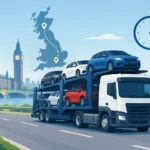
A vehicle can be ready to move today, but that does not always mean it can be delivered today. Car transport times depend on where the vehicle is, where it is going, whether it starts and rolls, and how quickly a suitable flat-bed lorry can be allocated. If you are buying a car online, moving fleet stock, collecting an accident-damaged vehicle or arranging a classic car delivery, knowing what affects the timetable helps you book with confidence.
For a straightforward collection in Essex or nearby areas, transport may be arranged quickly when a vehicle and driver are available. Longer UK movements need more planning, particularly where collection or delivery slots are fixed. A reliable transport company should give you a realistic collection window and keep you informed if anything changes.
What affects car transport times?
Distance matters, but it is rarely the only factor. A car travelling from Chelmsford to London may cover fewer miles than a vehicle travelling from Essex to Manchester, yet restricted collection hours, traffic and site access can make the shorter job more difficult to schedule.
The first question is whether the vehicle is roadworthy and accessible. A running car on a dealership forecourt is usually quick to load. A non-runner with a flat battery, seized brakes, missing wheels or no keys takes more preparation. This is where a flat-bed recovery lorry with an onboard winch makes a real difference. It allows difficult vehicles, rolling shells and damaged cars to be recovered safely rather than relying on the vehicle being driven onto transport.
Collection and delivery access also affects the plan. Narrow residential roads, low branches, gated compounds, underground car parks and busy town-centre locations can prevent a lorry from getting directly to the vehicle. In those cases, a suitable nearby meeting point may be needed. Sharing this information at quotation stage avoids wasted time on the day.
The vehicle’s condition changes the job
A transport booking should always include an honest description of the vehicle. Tell the operator if it does not start, does not steer, has punctures, is accident damaged or cannot be placed in neutral. These details determine the equipment, loading method and time required.
For valuable, newly purchased or classic vehicles, condition recording is just as important as speed. Time- and date-stamped digital photographs taken at collection provide a clear record before the vehicle begins its journey. This gives private owners, dealers and fleet managers reassurance about the condition of the vehicle at each handover.
Typical car transport times for UK moves
There is no responsible one-size-fits-all promise, but the following timings are useful planning guides. Local collections around Essex, East Anglia and London-adjacent areas can often be completed on the same day or within one to two working days, depending on vehicle type and availability. A standard cross-country delivery is commonly arranged within a few working days. More remote routes, multi-vehicle dealer movements and jobs requiring a specific timed slot may need longer.
Urgent recovery is different from booked transport. If a vehicle has broken down, been involved in an accident or needs to be removed from an unsafe location, the priority is getting a suitable recovery lorry to it as soon as practical. Traffic, weather, the exact location and ongoing jobs will influence arrival time, but clear communication is essential. You should know whether help is on the way and what information the driver needs before arrival.
For planned work, booking ahead gives more choice over dates. This is particularly useful for end-of-lease collections, dealership stock transfers, corporate handovers and moves around bank holidays. Leaving a job until the last minute can still work, but it may mean fewer transport options or a wider collection window.
Why collection slots can be more important than mileage
Many delivery delays are caused at collection rather than on the road. A dealership may only release vehicles during business hours. A seller may be at work until late afternoon. A storage compound may require advance notice, identification or a release reference. If the vehicle is on finance, leased or stored by a third party, make sure authority to release it has been confirmed before the lorry arrives.
The same applies at the delivery end. Someone must be available to receive the vehicle, inspect it and provide a safe place for unloading. If the destination is a narrow street or a busy industrial estate, agree the unloading point in advance. A five-minute conversation before booking can prevent a failed delivery and an unnecessary delay.
Traffic, weather and road restrictions
Professional planning can reduce delays, but it cannot remove every variable. Major incidents, road closures, heavy congestion around London, high winds and snow can all affect a transport schedule. Drivers must also comply with working-time and rest requirements, so a long-distance job cannot simply be rushed at the expense of safety.
This is why realistic timing matters. A firm that promises an exact arrival time without asking about the route, the vehicle and access may be giving you an answer you want to hear rather than one it can deliver. A collection window, followed by updates when the route is confirmed, is often the more dependable approach.
How to get your vehicle moved without delay
The fastest way to arrange transport is to provide the key facts straight away: collection and delivery postcodes, vehicle make and model, registration if available, whether it starts and rolls, and any damage or access restrictions. Mention deadlines such as an auction collection date, lease return appointment or dealership handover.
Photographs are helpful for non-runners and damaged vehicles. They let the transport provider assess whether winching will be required and whether the vehicle can be loaded safely. They also help identify obstacles such as low tyres, detached body panels or a vehicle positioned tightly between other cars.
Be flexible where you can. If a delivery can be accepted across a morning or afternoon rather than at one exact minute, it is easier to allocate efficiently. That flexibility can also help keep the quote competitive. On the other hand, if you need a strict timed collection, say so from the start. The job can then be planned around that requirement rather than discovering it after a vehicle has been allocated.
Door-to-door transport versus driving the vehicle
Driving a vehicle yourself may look quicker on paper, but it is not always the best option. A newly bought car may not be taxed, insured or trustworthy enough for a long journey. A classic vehicle may need protection from unnecessary mileage and poor weather. A non-runner, accident-damaged car or rolling shell cannot be driven at all.
Door-to-door vehicle transport removes the need to arrange train tickets, temporary cover, fuel or a second driver. It also keeps mileage off the vehicle. For commercial clients, it frees staff from long collection runs and helps keep dealership, fleet and leasing operations moving.
There is a trade-off. A dedicated transport service needs scheduling, and a specialist flat-bed lorry may cost more than taking a chance on driving a vehicle home. In return, you get insured carriage, proper loading equipment and a documented handover process. For many vehicles, particularly those with a high value or an uncertain mechanical condition, that is the sensible choice.
Booking with confidence
Before confirming a booking, check what is included. Ask whether the vehicle is insured in transit, whether non-running vehicles can be winched on, and how condition is recorded. Make sure the quote reflects the actual vehicle condition and addresses rather than an ideal version of the job.
Car Delivery Essex uses insured flat-bed transport and recovery equipment for cars, small vans, motorcycles, classics and difficult-to-move vehicles. Digital condition reporting through the moDel app helps create a clear handover record, while direct phone booking means urgent questions can be dealt with quickly rather than lost in a form queue.
If your move has a fixed deadline, do not wait for the last available day. Have the vehicle details, postcodes and access information ready, ask for a clear collection plan, and book the transport that gives your vehicle the safe, practical journey it needs.
How Flatbed Winches Load Vehicles Safely
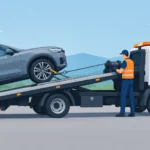
A vehicle does not need to start, steer perfectly or even have escaped accident damage to be moved safely. That is where knowing how flatbed winches load vehicles makes the difference. A properly equipped recovery lorry can pull a non-runner, a rolling shell, an accident-damaged car or a classic vehicle onto a level bed in a controlled way, then secure it for insured transport.
For the owner, the process should feel straightforward. For the operator, it relies on the right equipment, sensible positioning and constant checks. Winching is not simply attaching a cable and pressing a button.
How flatbed winches load vehicles step by step
The recovery operator begins by assessing the vehicle and the collection point. They need to know whether the vehicle rolls freely, whether it has a key, whether the steering locks, how low it sits, and whether there is visible suspension, wheel or body damage. These details determine where the flat bed can be positioned and how the vehicle can be pulled on without causing further damage.
The lorry is parked on firm, level ground where possible, with enough clear space in front of the vehicle. The flat bed is then lowered or tilted to create a gradual loading angle. A shallow angle is useful for low cars, classics and vehicles with damaged front ends, as it reduces the chance of grounding on the ramps or bed edge.
Next, the winch cable or synthetic rope is drawn from the winch drum and attached to a suitable recovery point. On many vehicles, this may be the manufacturer-fitted towing eye behind a bumper cover. On others, particularly damaged or incomplete vehicles, a recovery specialist may need to use an approved alternative attachment method. The pull must be made from a strong point designed to take the load, not from a suspension arm, bumper, axle component or any part likely to bend or tear away.
With the cable under light tension, the operator checks that it runs straight and does not foul the bumper, tyres or sharp edges. The vehicle is then pulled forward slowly. If it is a non-runner, it will normally be winched all the way onto the bed. If it is roadworthy and safe to drive, the driver may carefully assist the load while the winch provides a controlled line of pull.
The vehicle is kept centred as it moves up the bed. This matters more than many people realise. A vehicle loaded at an angle can create problems with clearance, weight distribution and securing points. The operator watches the wheels, steering position and cable throughout, stopping immediately if a tyre drags, a wheel catches or the vehicle shifts unexpectedly.
Once in the correct position, the winch is not treated as the final restraint. The vehicle is secured using appropriate wheel straps, lashing points and transport-rated tie-down equipment. The handbrake and transmission position are considered as part of the securing process, but straps provide the main protection against movement during transport.
Why a winch is safer than trying to push a vehicle
Pushing a broken-down vehicle onto ramps is risky, especially on busy roads, sloping driveways, car parks or tight residential streets. It can put people in the path of a moving vehicle and offers very little control if a vehicle rolls back or a wheel turns suddenly.
A flatbed winch applies steady pulling force from the recovery lorry. The operator controls the pace, stands away from the direct line of travel and can stop the pull quickly if anything changes. This is particularly useful when collecting a car after an accident, moving a vehicle with a failed clutch, or collecting an online purchase that has been described as a runner but is not.
It also protects vehicles that should not be driven. A car with a suspected gearbox fault, overheating issue, damaged tyre, seized brake or warning lights may need transport rather than a short drive to a garage. For classics and cherished vehicles, winch loading avoids unnecessary mileage and lets the owner arrange door-to-door movement without exposing the car to the road.
The checks that matter before winching begins
Every load is different. A clean, rolling hatchback on a clear driveway is not the same job as a crash-damaged SUV outside a body shop. Before loading, a professional operator considers several practical points:
- Whether the wheels turn and the tyres hold air.
- Whether the steering is free, locked or damaged.
- The vehicle’s ground clearance and any low bodywork.
- Accessible, safe recovery points.
- The condition of the brakes, suspension and transmission.
- The loading surface, traffic conditions and available room.
A vehicle that will not roll may still be recoverable, but the method may change. Wheel skates, dollies or additional recovery equipment can be needed where brakes are seized, wheels are damaged or the vehicle has been involved in a serious collision. It depends on the condition of the vehicle and how safely it can be accessed.
The winch cable itself also needs attention. It should be inspected for damage, routed correctly and kept under control as it winds back onto the drum. A cable under tension stores significant energy, so bystanders should keep clear during loading. Owners can help by providing keys, confirming known faults and leaving space around the vehicle where possible, but they should not stand between the vehicle and the recovery lorry.
Loading non-runners, classics and damaged vehicles
Non-running vehicles are a routine job for a properly equipped flat-bed recovery lorry. A dead battery, engine fault, failed starter or expired MOT does not prevent collection if the car rolls and has suitable attachment points. The winch does the work that the engine cannot.
Classic cars often need extra care because of low ground clearance, older towing arrangements and vulnerable trim. The loading angle may need adjusting, and the operator should take time to protect contact areas and avoid loading from parts that are not designed for recovery. A classic might be mechanically sound but still better off travelling on a flat bed than being towed behind another vehicle.
Accident-damaged vehicles can be more complex. A loose bumper, collapsed wheel, damaged steering or deployed airbags can all affect the safe approach. In some cases, the best route is to load from the opposite end, use specialist aids or arrange a different recovery method. Rushing this stage can worsen the damage, which is why experience matters.
Motorcycles and small vans can also be winch-loaded when required, although their securing methods differ. A motorcycle needs purpose-made straps and careful suspension management, while a van’s wheelbase, height and weight need to suit the lorry’s carrying capacity. The right vehicle for the job is as important as the winch itself.
Secure transport starts after the vehicle reaches the bed
Being on the flat bed is only half the job. The vehicle must be stable for braking, cornering and uneven road surfaces. Transport straps are fitted around or over the wheels where appropriate and attached to rated anchor points on the bed. The aim is to hold the vehicle down and in position without putting unnecessary stress on bodywork or mechanical components.
The operator checks the straps again after tensioning, confirms the bed is fully raised and locked, and makes sure loose items are not left inside the vehicle. A final walk-round can identify obvious concerns before departure.
For valuable vehicles, documentation is just as reassuring as careful loading. Time- and date-stamped digital condition reporting records the vehicle’s visible condition at collection and delivery. Car Delivery Essex uses the moDel app for this purpose, giving private owners, dealers and fleet customers a clear record of the handover.
When to arrange professional winch recovery
Professional collection is the sensible option when a vehicle will not start, cannot legally be driven, has suffered accident damage or needs moving without adding mileage. It is also useful for dealership stock transfers, end-of-lease returns, eBay purchases, garage deliveries and relocations where driving the vehicle yourself is impractical.
When requesting a quote, explain the make and model, collection and delivery postcodes, whether it runs and rolls, and any known damage or access restrictions. Clear information helps the operator send suitable equipment and provide an accurate price without delay.
If your vehicle needs moving, do not take chances with improvised towing or a push onto ramps. Arrange an insured flat-bed collection, describe the condition honestly, and let experienced recovery equipment do the hard work.
Vehicle Inspection Before Collection and Delivery

A vehicle inspection is not paperwork for paperwork’s sake. It is the clearest record of what a car, van, motorcycle or classic vehicle looked like before it was moved – and it gives both the owner and transport provider something solid to refer to if a question arises later.
When a vehicle is being sold, bought online, returned at the end of a lease, sent to a dealer or recovered after an accident, condition matters. A quick verbal description such as “a few marks on the bumper” leaves too much open to interpretation. A dated inspection with photographs gives everyone confidence before the vehicle goes onto the flat-bed lorry.
Why a vehicle inspection matters before transport
Vehicle transport often involves assets that are valuable, unfamiliar to the driver, or not in a condition to be driven. A new purchase may have travelled only a few miles. A classic car may have delicate trim and irreplaceable parts. A non-runner may need winching carefully onto the bed. In each case, knowing the condition at collection protects the owner and sets clear expectations for the job.
For private customers, the report is proof of condition when a vehicle changes hands. This is particularly useful for eBay purchases, long-distance private sales and collections from repairers or storage sites. For dealerships, fleet operators and leasing companies, it creates a consistent handover record across stock transfers, customer deliveries and contract-end returns.
It also helps the transport team do the work properly. Existing accident damage, flat tyres, low ground clearance, missing keys, steering locks and vehicles that will not roll all affect how a collection should be planned. Clear information means the right equipment can be sent first time, avoiding delays and unnecessary handling.
What a proper vehicle inspection should record
A useful condition report should be specific enough to identify the vehicle and its visible condition, without pretending to be a mechanical examination. It is not the same as an MoT test, a pre-purchase inspection or a garage diagnosis. Its purpose is to document what can reasonably be seen and confirm the vehicle’s operational status at handover.
Before collection, the driver should confirm the registration, make, model and odometer reading where accessible. The report should note whether the vehicle starts, moves, steers and brakes, as well as whether keys are present. For a damaged or non-running vehicle, that information is especially important because loading may require an onboard winch rather than driving it onto the lorry.
Visible bodywork should be checked in good light where possible. Attention should be paid to the corners of bumpers, alloy wheels, door edges, mirrors, lights, glass, roof, bonnet and boot. Interior condition may also matter for higher-value cars, lease returns and prestige vehicles. Photographs are far more useful than broad descriptions because they show the location and scale of a mark at that moment.
A thorough collection record will normally include:
- Dated photographs from several angles, including any existing damage.
- The mileage, fuel level where shown, and registration details.
- Notes on warning lights, tyre condition, loose parts and missing items.
- Confirmation of keys, documents and accessories handed over.
- The vehicle’s running, rolling and steering condition.
- Collection time, location and the name or signature of the person releasing it where available.
The same care should be taken at delivery. A report only works properly when it records both ends of the journey. Time- and date-stamped digital condition reporting makes this straightforward, giving customers a record they can keep rather than relying on memory or a paper sheet that may be misplaced.
The difference between transport damage and existing damage
This is where clear records become most valuable. Vehicles are often collected with scratches, dents, cracked trims, corrosion, stone chips or accident damage already present. None of these issues necessarily prevent safe transport, but they should be recorded before loading.
Without a collection inspection, a mark discovered at delivery can become difficult to place. Was it already there? Did it happen at the seller’s premises? Was it caused during loading? Good photographs and accurate notes reduce that uncertainty immediately.
There is a trade-off to be aware of. A standard handover inspection records visible condition, but it cannot uncover every hidden defect. Rain, poor lighting, dirt, tightly parked vehicles and inaccessible panels can limit what is visible. A reputable operator should state these limitations rather than promising more than can realistically be checked at the roadside or on a busy dealership forecourt.
For high-value classics, prestige cars or vehicles being bought unseen, customers may want a more detailed independent pre-purchase inspection before arranging transport. That is a different service, often carried out by a specialist engineer. The transport condition report still matters, because it records the vehicle’s state when it enters the carrier’s care.
Preparing your vehicle for collection
A few practical steps make inspection and loading quicker, safer and less stressful. Remove personal belongings and valuables from the cabin, boot and glovebox. If there are loose parts, spare wheels, detachable trim or paperwork travelling with the vehicle, tell the transport provider in advance so they can be listed and secured correctly.
Make sure the collecting driver can access the vehicle and has the correct keys. If the car is immobilised, has a dead battery, a locked steering wheel, flat tyres or electronic faults, say so when requesting the quote. These details do not automatically stop the job, but they may change the type of lorry, winching arrangement or collection time required.
It also helps to give an honest description of the collection point. Narrow residential roads, low branches, restricted parking, gated sites and multi-storey car parks can affect access for a flat-bed recovery lorry. Sometimes the safest option is to meet nearby on a suitable road rather than trying to load in a space that is too tight.
If somebody else is releasing the vehicle, send them the collection details beforehand. They should know which keys, documents and accessories are being handed over, and they should have time to look around the vehicle with the driver if possible. A rushed handover is where small details tend to be missed.
What happens when a vehicle cannot be driven
Non-runners, accident-damaged cars and rolling shells need a more practical approach than a simple drive-on delivery. The first question is not whether the vehicle has an MoT or can travel on the road. It is whether it can be moved safely onto and off the lorry.
A flat-bed recovery vehicle with an onboard winch can collect many difficult vehicles, including those with engine faults, crash damage or expired tax and insurance. But the loading plan depends on the condition. A vehicle with locked wheels, severe suspension damage or no safe towing point may need extra equipment or a different method. Giving full details and photographs before booking prevents an unsuitable vehicle arriving for the job.
This is one reason insured specialist transport is often a better choice than asking a friend to tow a vehicle. Towing can add risk to an already damaged car, and it is rarely suitable for a newly purchased vehicle, a classic or anything that is not fully roadworthy. A properly equipped carrier keeps the vehicle off the road for the journey and allows it to be secured for transport.
Digital reports make handovers easier
Paper condition sheets have their place, but digital reporting is faster to share and harder to lose. At Car Delivery Essex, time- and date-stamped vehicle condition reports can be completed through the moDel app, supporting a clear record at collection and delivery.
That matters when the person booking the move is not present. A fleet manager may be in another county, a buyer may be waiting at home, or a dealership may be handing over dozens of vehicles each week. Digital photographs and status updates allow the right people to see what was collected, when it was collected and how it was recorded.
The best result is not simply a report with plenty of photographs. It is a calm, professional handover where the vehicle condition is agreed as far as possible, the transport requirements are understood and the customer knows who to contact if anything needs clarifying.
If you are arranging collection, take a few minutes to photograph your vehicle yourself before it leaves, keep a note of the mileage and tell the carrier about any faults or damage. Then request a clear, insured transport quote with the vehicle’s location, destination and condition. That small amount of preparation makes the move safer, quicker and easier to account for from the first call to final delivery.
Vehicle Delivery That Protects Your Vehicle
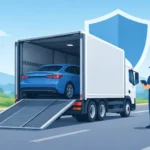
A vehicle bought online, a lease car due back, a non-runner outside your home or dealership stock needed at another site all create the same problem: how do you move it without adding risk, mileage or delay? Professional vehicle delivery gives you a practical answer. Your vehicle is collected, secured on a suitable lorry and delivered to the agreed address, with its condition recorded before it moves.
For many owners, driving the vehicle themselves is not the best option. It may be uninsured, untaxed, not roadworthy, recently damaged or simply too valuable to put through an unnecessary long journey. For businesses, sending staff on a one-way trip to move stock can be expensive and disruptive. A properly planned collection saves time and keeps responsibility clear from collection to handover.
When vehicle delivery is the sensible choice
Vehicle transport is not only for prestige cars or long-distance moves. It is often the straightforward option when a vehicle cannot, or should not, be driven. This includes cars purchased through eBay or another online marketplace, new-car handovers, end-of-lease returns, auction purchases, fleet transfers and private sales.
It is also the right approach when there is a mechanical issue. A flat battery, clutch fault or warning light can make a journey uncertain. A vehicle with accident damage, a failed MOT or no current road tax should not be driven to its destination simply because it still starts. Collection on a flat-bed recovery lorry avoids the risk of a roadside breakdown, further damage or a difficult insurance question later.
Classic and cherished vehicles need a different kind of care. Even a fully roadworthy classic can be vulnerable to bad weather, motorway debris and unnecessary wear. Transporting it rather than driving it may be the better choice before a restoration, sale, show or relocation. The same applies to motorcycles, small vans and rolling shells, where the loading method matters as much as the route.
The equipment matters as much as the journey
Not every transport job can be dealt with using a driven delivery service. A vehicle that will not start, will not select a gear or has front-end damage needs recovery capability at collection. Flat-bed lorries with onboard winches allow difficult vehicles to be loaded safely and securely, rather than relying on the car to move under its own power.
This is particularly useful for non-runners, accident-damaged cars and vehicles parked in awkward locations. Before booking, explain exactly what is wrong with the vehicle, whether the wheels turn and steer, and whether it is accessible. Clear information helps the transport provider send the right equipment and prevents surprises on collection day.
Ground clearance is another detail worth raising. Lowered cars, sports cars and vehicles with damaged bumpers may need extra care during loading. Likewise, a motorcycle needs correct restraint points, and a classic car should not be treated like a routine commuter vehicle. The lowest quote is not always the best value if it does not account for how the vehicle will actually be handled.
What insured vehicle delivery should include
Price matters, but the safest decision is based on what is included. Ask whether the vehicle is carried under appropriate insurance while in transit, what information is needed before collection and how its condition will be documented. These are not unnecessary extras. They protect both the owner and the transporter if a question is raised about existing damage.
A professional condition report records the vehicle at the point of collection, including visible marks, damage and overall condition. Time- and date-stamped digital reporting provides a clear record before the lorry leaves. It is especially valuable for dealership stock, lease returns, online purchases and valuable private vehicles, where assumptions can quickly become disputes.
At Car Delivery Essex, condition checks can be completed through the moDel app, creating a practical digital record for the job. That evidence is useful whether the vehicle is travelling locally across Essex or on a nationwide delivery. It gives owners and commercial customers a clearer handover process than a verbal description or a few unlabelled photographs.
Insurance and reporting do not remove the need for care, but they show that the service is set up to manage responsibility properly. If a provider is vague about carriage insurance, loading arrangements or vehicle checks, it is sensible to ask more questions before handing over the keys.
Preparing a vehicle for collection
A little preparation can make collection quicker and reduce avoidable delays. Ensure the collection address is correct, provide a working contact number and tell the driver about restricted access, gated sites, low branches, narrow roads or controlled parking areas. A large recovery lorry needs room to approach, load and leave safely.
Remove personal belongings where possible. Vehicle transport is about moving the vehicle, not carrying household items, tools or loose valuables. Keep the keys, locking wheel nut, alarm fob and any relevant paperwork ready for handover. If the vehicle has an immobiliser, unusual starting procedure or known fault, explain it before collection rather than after the driver arrives.
For a non-runner, confirm whether it rolls freely and whether the steering is unlocked. If the tyres are flat, a wheel is missing or the brakes are binding, say so when requesting a quote. These details do not necessarily stop the job, but they can affect the loading plan, time required and price.
Photographing the vehicle yourself is also sensible, particularly for a private sale or a classic car. A professional report should provide formal evidence, but your own dated photographs give you an additional record and help ensure everyone has the same understanding of its condition.
Getting an accurate vehicle delivery quote
A quick quote is useful only if it is based on the right information. The collection postcode, delivery postcode, vehicle type and whether it is roadworthy are the starting point. Add the make and model, any faults or damage, preferred collection date and any access concerns.
Timing can affect availability and cost. A flexible collection window may allow for a more competitive price, while same-day or urgent recovery normally requires dedicated planning. Distance matters, but it is not the only factor. A straightforward running hatchback collected from an open driveway is very different from a locked, damaged vehicle in a city centre car park.
Commercial customers should also set out whether the job involves a customer handover, a return to base, a dealership transfer or a batch of vehicles. Regular movements can often be organised around operating hours, site contacts and reporting requirements. That reduces missed collections and gives fleet managers a clearer picture of where each asset is.
Phone-based booking is often the quickest route when the vehicle has a fault, has been involved in an accident or needs moving at short notice. It allows the right questions to be asked immediately, rather than relying on a form that may not capture the condition of the vehicle or the access at either end.
Delivery day: what good communication looks like
Reliable vehicle delivery depends on communication before, during and after the move. You should know who is collecting the vehicle, where it is going and how handover will be arranged. If there is a change to access, availability or vehicle condition, tell the transport provider as soon as possible.
For private customers, this is reassuring when a newly purchased car is being collected from a seller many miles away. For dealerships and fleet operators, it prevents stock sitting in the wrong place or a driver arriving when no authorised person is available. The best transport jobs are rarely complicated, but they are planned properly.
On delivery, check the vehicle against the condition report before accepting it where practical. If it is a non-runner, do not expect a road test at the kerbside. Instead, check that it has arrived as described, the keys and agreed items have been handed over, and any visible condition points are clear.
A reliable transport service should leave you with less to organise, not more. Whether you need a car moved from Essex to another part of the UK, a motorcycle collected from an online seller or a damaged van recovered after a breakdown, give a full description from the start. The right lorry, proper insurance and a clear condition record turn a stressful move into a controlled one.
Recovery Truck Versus Tow Bar: Which Is Safer?
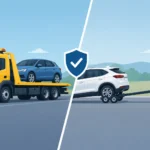
A broken-down vehicle on the hard shoulder, a non-runner bought online, or a classic car with a fault creates the same immediate question: recovery lorry versus tow bar – which is the sensible option? The answer depends on the vehicle’s condition, where it is stranded and how far it needs to travel. For many jobs, especially where a car will not start, steer or brake correctly, a flat-bed recovery lorry is the safer and more straightforward choice.
A tow bar can have its place for short, planned movements with the right equipment and an able vehicle. It is not, however, a like-for-like substitute for professional vehicle transport. Before arranging either option, consider the legal position, the risk of further damage and whether the vehicle can genuinely be towed safely.
Recovery lorry versus tow bar: the main difference
A recovery lorry carries your vehicle with all four wheels off the road. A flat bed is lowered or tilted, then an onboard winch brings the vehicle securely into position. Once loaded, the car, small van or motorcycle is strapped down for transport to its destination.
A tow bar keeps the recovered vehicle on the road behind another vehicle. That means its tyres, suspension, steering and brakes remain part of the journey. The driver in the towed vehicle must control it, react to traffic and maintain a safe distance from the towing vehicle. It can be demanding even over a short distance, particularly in poor weather, heavy traffic or at night.
The difference matters most when the vehicle is damaged or mechanically uncertain. A car that has suffered an accident may have hidden suspension or steering damage. A vehicle that has been standing for months may have seized brakes, flat tyres or an electrical fault. Loading it onto a recovery lorry avoids asking already compromised components to cope with a road journey.
When a tow bar may be suitable
Tow bars are generally best reserved for short-distance recovery where the vehicle is roadworthy enough to roll, steer and brake, and where the drivers understand the rules and risks involved. This might be moving a functioning car off a private site, or taking a recently failed vehicle a very short distance to a nearby repairer.
The towed vehicle must have a driver unless it is a specific legal exemption or recovery arrangement. Its lights need to be considered, particularly if visibility is poor, and the towing vehicle must be suitable for the load. The tow bar itself must be correctly fitted and rated. A poorly matched or badly connected bar can become dangerous very quickly.
There are also practical limits. A tow bar does not help much with a car that will not roll freely, a vehicle with accident damage, a locked wheel, a missing key or a flat battery combined with an electronic parking brake issue. It is equally unsuitable for many automatic cars, electric vehicles and four-wheel-drive models, where incorrect towing can cause expensive drivetrain damage. Always check the manufacturer’s guidance for the specific vehicle before towing it.
Cost can make a tow bar look attractive, but it is worth looking beyond the initial price. One damaged bumper, failed gearbox or unsafe roadside incident can cost far more than arranging insured transport from the start.
Why a flat-bed recovery lorry is usually safer
With a professional recovery service, the vehicle is transported rather than pulled. It does not need a working engine, gearbox, steering system or brakes to complete the journey. An experienced operator can winch a non-runner onto the bed, using the appropriate loading approach for its condition.
This is particularly valuable for accident-damaged cars, classics, prestige vehicles and newly purchased vehicles that you have not inspected in person. A flat bed also removes mileage from the journey. That matters if a car is uninsured, untaxed, awaiting repair, has a mechanical concern, or simply needs to arrive in the same condition it left.
A recovery lorry is also far better suited to longer distances. Towing a vehicle from Essex to another part of the UK can be tiring, slow and exposed to changing road conditions. Transporting it on a flat bed provides a controlled, direct door-to-door service instead. It also avoids adding wear to tyres, wheel bearings and driveline components.
At Car Delivery Essex, flat-bed recovery lorries with onboard winches are used to handle roadworthy vehicles, non-runners, rolling shells and difficult recoveries. Vehicles are carried under insured transit, with time- and date-stamped digital condition reporting available through the moDel app. That provides useful reassurance when a valuable vehicle, fleet asset or online purchase is changing hands.
Vehicles that should normally go on a flat bed
If the vehicle has been in an accident, will not start, has damaged wheels or suspension, or cannot steer and brake reliably, a flat bed should be the default choice. The same applies to vehicles with an automatic gearbox where towing restrictions apply, electric vehicles with manufacturer-specific recovery instructions, and classic cars where avoiding unnecessary stress is part of protecting their value.
A flat-bed service is also the sensible option for motorcycles. A motorbike cannot simply be pulled behind another vehicle on a tow bar. It needs proper securing points, suitable straps and careful loading so it arrives upright and protected.
Legal and roadside safety considerations
Towing is not just a matter of attaching a bar and setting off. UK road traffic rules require the towing setup to be safe, the vehicles to be roadworthy for the purpose, and the drivers to have proper control. A towed vehicle that cannot display required lights, has defective brakes or cannot be safely controlled presents a serious problem.
Motorways add another layer of risk. Stopping on a live carriageway or attempting improvised recovery from a dangerous location is not worth it. If you are stranded in a vulnerable position, get yourself to safety where possible and arrange professional assistance. Tell the recovery operator exactly where you are, the vehicle registration, its condition and whether it can roll or steer. Clear information helps the right vehicle and equipment arrive first time.
Insurance is another point often overlooked. Your motor policy may not cover damage caused while towing, and it may have conditions around the type of recovery being carried out. Professional transport provides a clearer process, with the vehicle handled as a consignment rather than as an improvised roadside arrangement.
Choosing the right option for your situation
For a short move of a sound vehicle on quiet roads, a correctly fitted tow bar may be practical. It still requires confidence, care and compliance with the vehicle manufacturer’s instructions. It is not the best answer merely because the vehicle starts, particularly if there are warning lights, brake concerns or accident damage.
For anything more complicated, a recovery lorry removes the uncertainty. It is usually the better option for breakdowns away from home, vehicle purchases from eBay or dealerships, end-of-lease collections, fleet transfers, relocations and deliveries to garages. It is also the safer call when you cannot verify the vehicle’s mechanical state.
When requesting a quote, give the collection and delivery postcodes, vehicle make and model, whether it starts and rolls, and any known damage or access issues. Mention lowered suspension, locked wheels, missing keys, underground parking or narrow access. These details allow the recovery team to plan the job properly and quote accurately.
If there is any doubt about whether your vehicle can be towed without risk, treat that doubt as the answer. Arrange a properly equipped flat-bed recovery and get the vehicle moved safely, securely and without turning a manageable problem into a larger repair bill.
Vehicle Shipping Checklist Before Collection

A collection slot is booked, the buyer is waiting or the vehicle needs to reach a garage without delay. That is when a proper vehicle shipping checklist earns its keep. A few straightforward checks before the lorry arrives can prevent failed collections, disputes over condition and unnecessary delays on the day.
Whether you are moving a family car, eBay purchase, classic vehicle, motorcycle, small van or accident-damaged non-runner, the aim is the same: give the transport team clear information and leave the vehicle safe to load. Flat-bed transport with an onboard winch can handle vehicles that cannot be driven, but access, keys and accurate details still matter.
Vehicle Shipping Checklist: Give Accurate Vehicle Details
Start with the facts your transport provider needs to plan the job properly. Confirm the registration number, make, model, collection and delivery postcodes, plus the preferred dates and times. Include a working contact number for both ends of the journey, especially if a dealership, storage site, repairer or family member is releasing the vehicle.
Be clear about the vehicle’s condition. Can it start, steer, brake and roll freely? Does it have a flat tyre, damaged wheel, seized brakes, missing keys or accident damage? Is it lowered, particularly wide, very low to the ground or fitted with a body kit? These details are not a reason to refuse the job. They tell the driver whether a winch, skates, extra care or a different loading approach is required.
Also mention any modifications and the fuel type. Electric and hybrid vehicles need particular care if they have suffered collision damage or have warning messages on the dashboard. A classic car may have limited ground clearance, delicate trim or a non-standard starting process. Honest information before collection means the correct equipment and time can be allowed for.
Prepare the Vehicle for Loading
Remove loose items from the cabin, boot and load area before transport. Mobile phone holders, toll tags, sunglasses, paperwork, tools and personal possessions can shift during loading or be overlooked after delivery. If an item must stay in the vehicle, tell the carrier in advance and keep it secured.
Leave enough fuel for short manoeuvres, but do not fill the tank unnecessarily. A quarter tank is normally more than enough for a roadworthy vehicle. Less fuel reduces weight and avoids carrying more combustible liquid than needed. For an electric vehicle, enough charge to move it on and off the flat-bed is usually sensible, unless it is non-running or unsafe to operate.
Check the battery if the vehicle has been standing. A flat battery does not always stop collection because a winch-equipped recovery lorry can load a non-runner, but it should be declared beforehand. If the vehicle starts, make sure it can be put into neutral and that any electronic parking brake can be released. Leave the wheel-locking nut key where it can be found if wheel access may be needed.
For motorcycles, ensure the steering is unlocked and provide every key needed for the ignition, fuel cap or alarm. Do not rely on a steering lock alone as a transport restraint. The motorcycle should be secured professionally to the flat-bed using suitable straps and contact points.
Record the Condition Before Collection
Condition reporting protects everyone. Before handover, take clear, time-stamped photographs of all four corners, each side, the roof where practical, wheels, windscreen and interior. Photograph existing scratches, dents, cracked lights, missing trim and warning lights. A quick walk-round video can also be useful for high-value, classic or recently purchased vehicles.
Do not rush this stage because the vehicle is being collected from home or someone you know. A documented record removes uncertainty if a mark is noticed later. It is particularly useful for dealership stock transfers, end-of-lease collections, corporate handovers and eBay sales where the seller and buyer may never meet.
A professional carrier should complete its own collection report and record the vehicle condition at both collection and delivery. Car Delivery Essex uses digital, time- and date-stamped condition reporting through the moDel app, providing a clear record of what was collected and what arrived. Read the report before confirming the handover, and raise any concerns while the driver is present.
Make Collection and Delivery Access Clear
A full-size flat-bed recovery lorry needs more room than a car. Tell the transport company about narrow lanes, low bridges, tight estates, low branches, security gates, height barriers, difficult driveways or restricted parking. If the vehicle is in an underground car park or behind another non-running vehicle, say so at the quotation stage.
Sometimes the safest answer is to agree a nearby meeting point with enough space for loading. This is common around busy Essex roads, London-adjacent streets and town-centre locations. It is not a compromise on service. It can be the quickest way to avoid blocking traffic, damaging a vehicle on a tight entrance or missing a booked collection window.
Arrange access in advance. Tell the person releasing the vehicle when the driver is expected, ensure gates are unlocked and confirm any site rules. Dealerships and compounds may need the registration number, driver details or a collection reference before allowing entry. At delivery, make sure somebody can accept the vehicle or that a secure, pre-agreed drop-off plan is in place.
Keys, Documents and Handover Instructions
Provide all available keys, including spare keys, locking wheel nut keys and alarm fobs. Put them in a clearly labelled envelope if another person is handing over the vehicle. If the car has an unusual immobiliser, keyless-start procedure or aftermarket alarm, write down the instructions rather than assuming the driver will know them.
Most vehicle moves do not require the V5C log book to travel with the vehicle. In fact, many owners prefer to keep it secure and send it separately where required. The same applies to sensitive finance paperwork, service books and personal documents. What is needed depends on the job, so confirm the handover requirements with the buyer, seller, dealership or leasing company beforehand.
If you are collecting a vehicle bought online, check that the seller has supplied the correct keys, current location and a realistic condition description. A vehicle advertised as running but unable to move may still be collected, provided the carrier has been told. The issue is not the fault itself. The issue is arriving with the wrong information and insufficient time to load safely.
Check Insurance and Transport Arrangements
Ask what insurance cover applies while the vehicle is in transit and what the booking includes. Do not assume ordinary road insurance covers collection on a recovery lorry, or that every carrier offers the same level of protection. You should know who is responsible for the vehicle from handover to delivery and how any issue would be reported.
Confirm the quote covers the actual job: vehicle type, condition, locations, access requirements and any waiting time or additional handling. The cheapest price can become poor value if it is based on a roadworthy hatchback but the collection turns out to be a locked, damaged SUV on a narrow street. A clear quote based on full details is usually the more dependable option.
For urgent recovery, accident damage or a non-runner, choose a provider with practical recovery capability rather than a service that only moves driveable vehicles. A flat-bed lorry and onboard winch give the driver options when a vehicle cannot be started or safely driven up ramps.
On the Day of Transport
Keep your mobile phone switched on around the agreed collection time. Have the keys ready, remove personal belongings and make sure the vehicle is accessible. Complete the condition check with the driver, confirm the destination and state any delivery instructions that have changed since booking.
At delivery, inspect the vehicle before signing it off where possible. Compare it with the collection report, check that keys and agreed items have arrived, then raise any question immediately. This is not about expecting problems. It is simply good handover practice for a valuable asset.
A well-prepared vehicle gives the driver the best chance of collecting it safely, loading it efficiently and delivering it exactly as expected. If anything about the job is unusual, say it early. A direct conversation and a clear quote will always beat a surprise at the kerbside.
What Do Breakdown Recovery Costs Include?
A car that will not restart on the hard shoulder, outside your home or in a supermarket car park creates one immediate question: how much will it cost to get it moved safely? Breakdown recovery costs can vary sharply, but the right recovery operator should explain the price before loading your vehicle – not leave you trying to work it out after the job is done.
For private owners, a breakdown can be stressful enough without vague charges. For dealerships, fleets and leasing companies, an unexpected recovery can disrupt deliveries, customer handovers and workshop schedules. A clear quote gives everyone a proper basis for making a decision.
What affects breakdown recovery costs?
The biggest factor is usually the distance between the collection point and the delivery address. Recovering a vehicle a short distance to a local garage is different from transporting it from Essex to another part of the UK. Longer jobs involve more driving time, fuel, road costs and lorry availability, so mileage has a direct effect on the quote.
The vehicle’s condition also matters. A roadworthy car with a flat battery may be straightforward to collect. A non-runner with locked wheels, a damaged steering system or a vehicle parked in a difficult position needs more time and equipment. Flat-bed recovery lorries with onboard winches are designed for these situations, but winching or carefully loading a heavily damaged vehicle can affect the cost.
Access is another practical consideration. A vehicle stranded on a wide driveway is normally simpler to load than one in a tight underground car park, a narrow residential street or a busy roadside location. Recovery operators need enough room to position the lorry safely, use the winch and protect other vehicles, kerbs and property.
Urgency can change the price too. A pre-booked daytime collection offers more flexibility than an urgent evening, overnight, weekend or bank holiday recovery. That does not mean urgent assistance should be overpriced, but immediate dispatch requires a vehicle and driver to be available at short notice.
The charges you may see in a recovery quote
A straightforward quote will generally be built around a call-out or minimum recovery charge, then the transport distance and the work required to load the vehicle. If you are comparing prices, ask what is included rather than focusing only on the first figure given.
The call-out element covers sending a recovery lorry and trained driver to you. It may also account for local travel to reach the vehicle, basic loading preparation and the time reserved for the job. Some firms quote a fixed local recovery price, while others use a minimum charge plus mileage. Neither approach is automatically better – it depends on where the vehicle needs to go.
Mileage charges normally cover the journey from collection to delivery. In some cases, the provider may calculate mileage from its operating base or include an allowance for the return journey. Ask this directly if it is not clear. A competitive quote should be understandable, not a surprise when the invoice arrives.
Additional work can include winching a non-running vehicle onto the flat bed, dealing with wheels that will not roll, moving a vehicle from an awkward location or waiting at a garage, dealership or storage site. If the vehicle has suffered accident damage, explain this when requesting a quote. A recovery company can then send the suitable equipment and allow the correct time.
There may also be charges for tolls, congestion-related routes, ferry crossings or secure storage where these are required. These are not part of every job, but they should be discussed upfront on longer-distance or time-sensitive moves.
Why the cheapest recovery price is not always the lowest cost
A low headline rate can look tempting when you need help quickly. However, it is worth checking whether it includes insured carriage, suitable loading equipment and delivery to the actual destination. A vehicle that is merely towed to the nearest safe place may still need a second transport job to reach your chosen garage, home or dealer.
Using the wrong equipment can create risk, especially with accident-damaged cars, low-clearance vehicles, classics, motorcycles and vehicles that cannot be driven. A flat-bed lorry keeps the vehicle off the road during transport and allows controlled loading with an onboard winch. For many recoveries, that is safer than trying to tow a vehicle that has unknown mechanical or suspension damage.
Insurance matters as much as the collection price. Check that the operator has proper cover for the vehicle while it is being transported. This is particularly relevant for valuable classics, recently purchased cars, fleet vehicles and motors being returned at the end of a lease.
Condition reporting is another useful safeguard. Time- and date-stamped photographs taken at collection can record the vehicle’s visible condition before it moves. This is not just useful for commercial customers. If you have bought a car online, are sending a vehicle to a repairer or need an accident-damaged vehicle transported, documented checks provide reassurance for all parties.
How to get an accurate recovery quote quickly
The fastest way to receive a realistic price is to provide the details that affect the job. You do not need technical knowledge, but being clear about the vehicle and its location helps the recovery team plan properly.
Have the registration number, make and model ready, along with the full collection and delivery postcodes. Explain whether the vehicle starts, rolls and steers. If it does not, say why if you know – for example, flat tyre, failed clutch, accident damage, seized brakes or missing wheels. Mention any access issues, such as a height barrier, tight lane, gated site or basement car park.
Photographs can be particularly helpful where there is damage or restricted access. They allow the operator to assess whether a standard flat-bed recovery lorry can load the vehicle safely, whether winching is needed and how long the collection is likely to take. Honest information at the start prevents delays on arrival and protects the quoted price.
It is also sensible to confirm the destination’s opening times. There is little benefit in recovering a vehicle promptly if the garage is shut and cannot accept it. If delivery cannot be made straight away, ask whether secure vehicle storage is available and what the daily charge would be.
Recovery cover versus pay-as-you-go transport
Breakdown membership can be useful, but it does not always cover every situation. Policies often have limits on distance, number of call-outs, vehicle type, destination or onward travel. Some only recover the vehicle to a nearby garage, while others include national recovery after a breakdown far from home.
If your cover is active and the incident falls within its terms, using it may reduce your immediate outlay. If you need a specific collection time, transport to a particular address, movement of an unroadworthy vehicle or delivery of a recently bought car, an independent recovery and transport service may be the more practical option.
For businesses, planned vehicle movements and emergency recoveries should be treated differently. A scheduled stock transfer can often be priced competitively because the timing is flexible. A same-day recovery for a broken-down fleet vehicle may cost more, but it can prevent greater losses from missed appointments, replacement hire or a vehicle left in an unsuitable location.
Questions worth asking before you book
Before authorising a recovery, confirm whether the quoted price includes collection, loading, transport and delivery to your chosen address. Ask if there are likely to be extra charges for mileage, winching, waiting time, tolls, out-of-hours work or storage. You should also check that the vehicle is insured in transit and that the operator can handle its condition.
If a quote seems unusually cheap, ask what happens if the vehicle will not roll or access is more difficult than expected. A professional operator will not promise the impossible, but they will explain the options clearly. The aim is to send the right lorry first time and get the vehicle moved without creating further damage or delay.
Car Delivery Essex provides insured flat-bed recovery and vehicle transport for cars, small vans, motorcycles, classics and non-runners, with winch-equipped lorries for difficult collections. Whether the job is a local recovery or a nationwide delivery, a direct phone quote based on the actual vehicle and route is the best way to keep the cost clear from the outset.
When your vehicle is stranded, the useful question is not simply who can arrive first. It is who can safely collect it, explain the price plainly and deliver it where it needs to be without adding avoidable problems.
What Affects Car Moving Costs? A Clear UK Guide
A £100-looking job can become a very different quote once a vehicle will not start, sits behind a low archway, or needs collecting at short notice. That is why understanding what affects car moving costs matters before you book. A proper vehicle transport quote is not just about miles on a map. It reflects the lorry, equipment, time, route and level of handling needed to move your vehicle safely from door to door.
For a straightforward, roadworthy car collected from an accessible address and delivered on a flexible date, costs are usually easier to keep down. A non-runner, damaged car, classic vehicle or urgent recovery needs more planning and specialist equipment. The right provider should explain the difference clearly, rather than give a low headline figure that changes on collection.
What affects car moving costs most?
Distance is normally the starting point. Longer journeys mean more fuel, driver hours, road charges and wear on the recovery lorry. A local collection in Essex may be priced very differently from a delivery to Scotland, Cornwall or Wales.
But distance is not the whole story. A 30-mile collection involving a vehicle with locked wheels and difficult access can take more time than a 150-mile motorway run with a fully roadworthy car waiting on a wide driveway. When comparing quotes, make sure the transporter knows the full situation, not just the collection and delivery postcodes.
Collection and delivery locations
Postcodes help plan a route, but access at each end matters just as much. A flat-bed recovery lorry needs safe room to approach, load and leave. Narrow country lanes, height restrictions, tight cul-de-sacs, underground car parks and busy town-centre streets can all affect the work involved.
If the vehicle is at a dealership, auction site, garage, residential address or storage compound, say so when requesting a quote. Collection rules, opening hours and waiting time can vary. The same applies at delivery. A car being dropped at a home with a steep drive or limited turning space may need a different unloading plan.
London and other congested areas can also add costs through traffic, restricted routes, clean-air charges, tolls or parking arrangements. These are not reasons to avoid a collection. They are simply details that need to be allowed for properly from the start.
Is the vehicle roadworthy, damaged or a non-runner?
Vehicle condition is one of the biggest factors in a transport price. A car that starts, steers, brakes and rolls freely can usually be loaded quickly. A non-runner often still presents no problem, but it requires a winch-equipped flat-bed lorry and more careful handling.
Be clear about any issues: flat tyres, seized brakes, a missing wheel, accident damage, a snapped suspension component, no keys or an electronic handbrake that will not release. A rolling shell and a vehicle with wheels that turn are very different jobs. So are a car that has simply failed to start and one that cannot be moved without additional equipment.
This information protects you as well as the transporter. Sending the right vehicle and equipment avoids a failed collection, a delay at the roadside or an unexpected charge once the driver arrives.
Vehicle size, weight and type
Most standard cars can be moved on a flat-bed lorry without difficulty. Larger SUVs, long-wheelbase vans, modified vehicles and heavily loaded vehicles may need more capacity or a different loading arrangement. Motorcycles need secure restraint points and careful positioning, while classic cars often require extra attention to ground clearance, delicate trim and long-term mechanical condition.
Low vehicles are another example. A sports car with reduced suspension may need suitable ramps and a cautious loading angle. An accident-damaged vehicle may need to be pulled on by winch rather than driven. These are practical considerations, not unnecessary extras, and they influence the time and equipment required.
Timing can change the price of moving a car
Flexible bookings are often the most cost-effective. If a transporter can combine your move with another vehicle collection on a similar route, the journey becomes more efficient. This can be particularly useful for nationwide car delivery, dealership stock movements and online vehicle purchases where the date is not fixed to the hour.
Urgent work is different. Same-day collection, an out-of-hours recovery, a weekend request or a strict timed handover may require a dedicated journey and immediate driver availability. That naturally costs more than a move planned several days ahead.
There is a trade-off here. Waiting for a flexible slot may reduce the price, but it may not suit a buyer who needs an eBay vehicle collected promptly, a dealership awaiting stock, or a motorist stranded after a breakdown. A good quote should give you a realistic collection window, not a promise that cannot be met.
Seasonal demand and weather
Demand can rise around bank holidays, school holidays, month-end registration periods and busy dealership trading dates. Poor weather may also slow routes or make some collections more difficult, particularly on rural roads. Ice, flooding and high winds can affect safe loading and travel times.
This does not mean every quote rises when the weather changes. It does mean that availability can be tighter, especially for urgent work. Booking early gives you more choice of dates and usually makes route planning easier.
Insurance and condition reporting are part of the value
The cheapest quote is not always the best value if it leaves questions over cover, vehicle condition or responsibility in transit. Ask whether the vehicle is carried under suitable insurance and whether the provider can document its condition at collection and delivery.
Photographs, time-stamped reports and a record of visible damage provide reassurance for private owners, dealerships and fleet operators alike. This is especially useful for newly purchased cars, classics, leased vehicles and accident-damaged vehicles where condition needs to be clear before movement.
At Car Delivery Essex, practical recovery capability is backed by insured carriage and digital condition reporting through the moDel app. It means the vehicle’s visible condition can be recorded before transport rather than relying on memory after the fact.
Dedicated transport versus shared routing
A dedicated vehicle move means the lorry is assigned around your collection and delivery requirements. It is often the right option for urgent recoveries, exact-time handovers, difficult vehicles or high-priority commercial work. You are paying for direct availability and a tighter schedule.
Shared routing can be more economical where dates are flexible. The transporter may collect or deliver other vehicles along a sensible route, reducing the cost allocated to each job. It can take longer, so it is not ideal when a vehicle must arrive at a particular time.
Neither option is automatically better. The sensible choice depends on how quickly you need the vehicle moved and whether certainty of timing matters more than the lowest possible price.
How to get an accurate car transport quote
A clear quote starts with clear information. Provide the collection and delivery postcodes, vehicle make and model, registration if available, and your preferred dates. Then explain whether it starts, rolls, steers and brakes. Mention damage, low clearance, missing keys, tyre issues and any access restrictions before booking.
It also helps to say why the vehicle is moving. A broken-down car may need immediate recovery. A classic car may need careful planned transport. A dealer transfer may need proof of collection and delivery. The service can then be matched to the actual job rather than guessed from a postcode alone.
Avoid accepting a vague price without confirming what it includes. Check whether the quote covers collection, loading, delivery, insurance, any known road charges and the stated vehicle condition. If something is uncertain, ask the question before the lorry is dispatched.
A fair vehicle-moving cost is the one based on the real job: the vehicle, the route, the access and the urgency. Give those details upfront, and you can arrange safe, insured transport with fewer surprises when it matters most.

